360 Degree Feedback for Managers: Improving Performance Through Honest Workplace Insight
Good management has a direct effect on how people work, communicate and perform. A manager’s approach can influence confidence, motivation, collaboration, decision-making and overall team culture. While managers may receive feedback from senior leaders during performance reviews, this does not always show how their behaviour is experienced by the wider team.
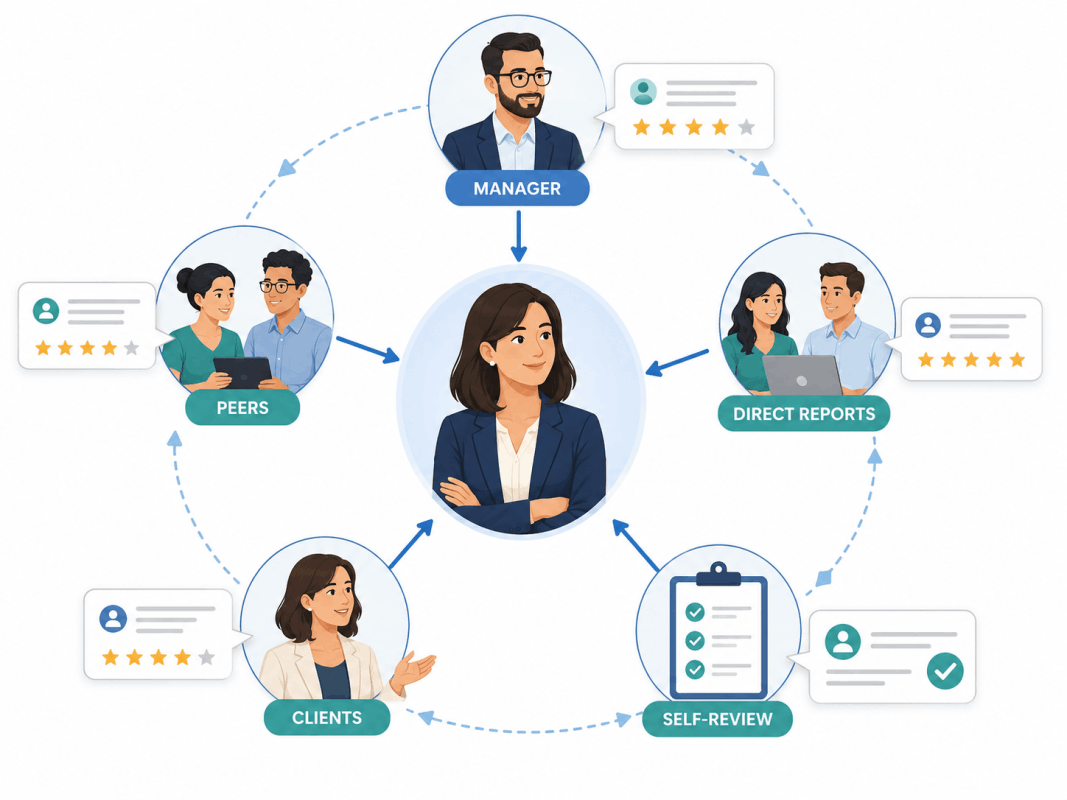
360 degree feedback for managers is designed to provide a broader and more balanced view of leadership performance. It gathers feedback from several sources, such as direct reports, colleagues, senior managers and sometimes customers or project stakeholders. This wider perspective can help managers understand how they are perceived and where they may need to develop.
One of the main reasons this type of feedback is valuable is that managers often interact differently with different groups. They may communicate confidently with senior leaders but be less clear with their team. They may be supportive with some colleagues but less consistent under pressure. Multi-source feedback helps identify these differences and gives a more rounded picture.
A key benefit is improved self-awareness. Managers may not always realise how their tone, availability, decisions or communication style affect others. Feedback from multiple people can highlight whether a manager is seen as approachable, fair, organised, supportive and consistent. This allows them to compare their own view of their leadership with how others experience it.
The process can also highlight strengths that should be developed further. A manager may discover that their team values their calm decision-making, technical knowledge, problem-solving ability or willingness to support others. Recognising strengths is important because leadership development should not only focus on weaknesses. It should also help managers use their existing skills more effectively.
At the same time, 360 feedback can reveal areas that need attention. Common themes may include unclear communication, limited delegation, poor follow-up, lack of recognition, inconsistent feedback or difficulty managing conflict. When these issues are identified early, managers can take practical steps to improve before they become larger problems.
The quality of the questions used in the feedback process is important. Questions should focus on specific behaviours rather than vague opinions. For example, it is more useful to ask whether a manager gives clear instructions or supports team development than to ask whether they are simply a “good manager”. Behaviour-based feedback is easier to understand and act upon.
Confidentiality should be handled carefully. Employees may not feel comfortable giving honest feedback if they believe their comments will be personally identified. A confidential process encourages more open responses and helps protect trust. It should be clear how feedback will be collected, summarised and shared with the manager.
The results should be presented constructively. A good feedback report should show themes, patterns and practical development points. It should not feel like a list of criticisms. Managers need to understand what the feedback means, which areas matter most and how they can use the information to improve their leadership.
Support after feedback is essential. Receiving honest comments from several people can be challenging, particularly if the feedback is unexpected. Coaching, mentoring or a guided review can help managers reflect on the results without becoming defensive. The goal should be to turn feedback into positive action.
Action planning should be realistic. A manager may receive feedback on several areas, but trying to change everything at once can be overwhelming. It is usually better to select two or three priorities and focus on measurable improvements. These might include holding more regular one-to-ones, giving clearer updates, improving delegation or asking for more input from the team.
Follow-up is also important. If managers receive feedback but nothing changes, employees may lose confidence in the process. Reviewing progress after a set period can help keep development on track. It also shows the team that their feedback has been taken seriously and used constructively.
Organisations can benefit from using 360 feedback as part of leadership development. It can help identify common training needs across management teams, improve communication standards and support a more open feedback culture. When used well, it can strengthen trust between managers and employees.
However, the process should not be used as a punishment or a surprise assessment. If managers see 360 feedback as a threat, they may resist the results or focus only on protecting themselves. It works best when it is positioned as a development tool designed to help managers grow and improve.
In summary, 360 degree feedback for managers can provide valuable insight into leadership style, communication and workplace behaviour. By collecting feedback from different sources, managers can better understand their strengths, identify blind spots and create practical development plans. When handled confidentially and constructively, it can support stronger leadership, better team relationships and improved performance.

Connect With Link Meta
Let’s Talk Structure and Strategy