Stainless Steel Adhesives and Silicones
Stainless steel adhesives and silicones play a critical role in the performance, durability, and hygiene of steel cladding systems. While stainless steel sheets and panels often receive the most attention, the materials used to bond, seal, and finish them are just as important. In commercial kitchens, food preparation areas, healthcare environments, and industrial interiors, the correct choice of adhesive and silicone can determine whether a cladding system performs reliably over time or develops problems such as panel movement, moisture ingress, or hygiene failures.
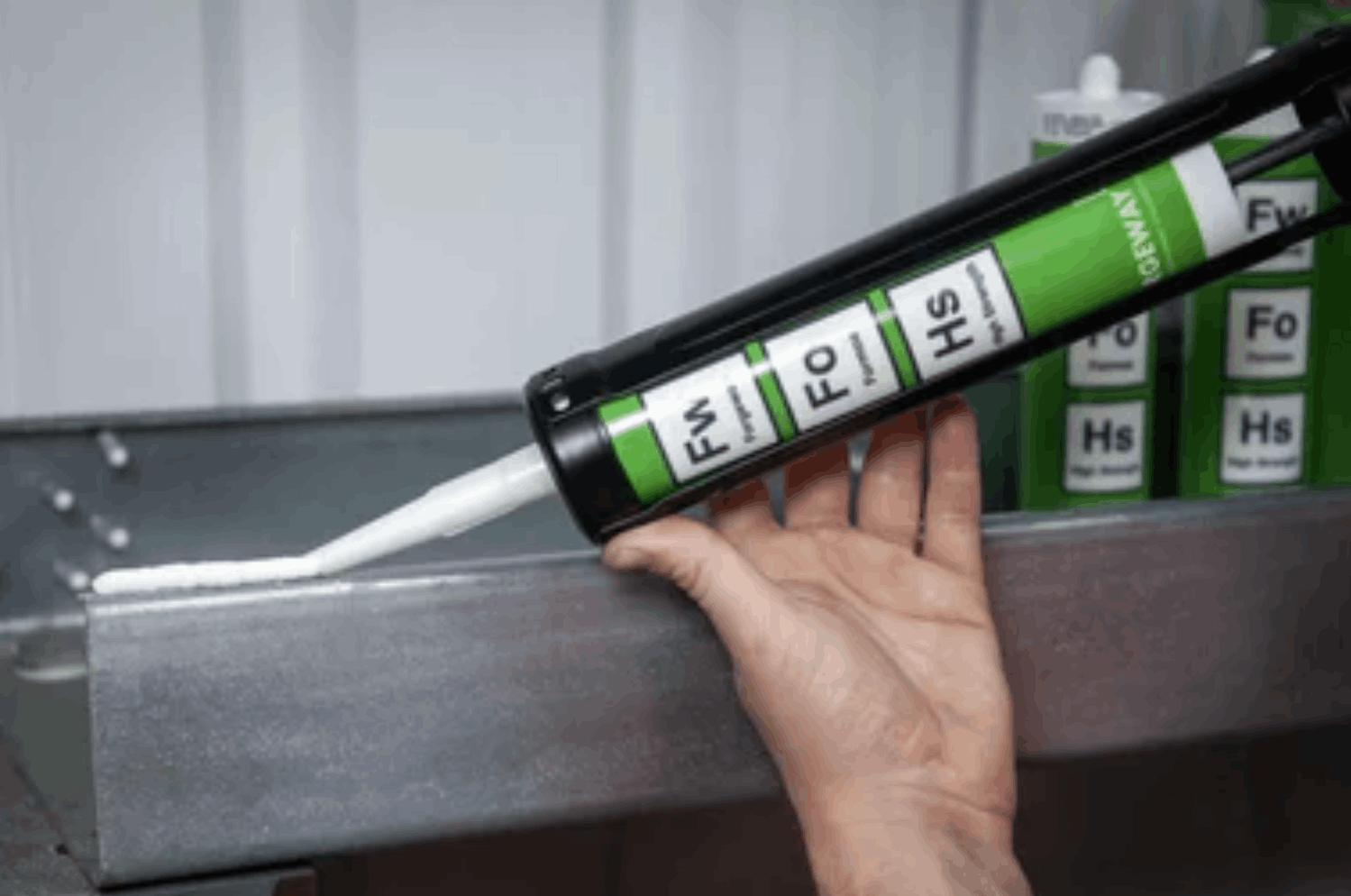
Adhesives are commonly used to fix stainless steel sheets directly to wall substrates. This method allows for a clean, flush appearance without visible fixings, which is often desirable in hygienic environments. Specialist stainless steel adhesives are designed to provide strong, long-lasting bonds while accommodating minor movement in the substrate. They must perform under conditions that include temperature changes, moisture exposure, and repeated cleaning.
One of the main advantages of adhesive fixing is the seamless finish it enables. By bonding stainless steel sheets directly to a prepared surface, installers can avoid visible screw heads or fixings that might otherwise interrupt the wall surface and create additional cleaning challenges. This approach supports hygiene by reducing potential dirt traps and making surfaces easier to wipe down.
However, adhesive performance is only as good as the preparation behind it. Substrates must be clean, dry, flat, and structurally sound. Dust, grease, or uneven surfaces can compromise adhesion and lead to failures over time. In commercial refurbishments, careful assessment of existing walls is essential before choosing adhesive-only fixing methods. In some cases, a combination of adhesive and mechanical fixings may be specified to provide additional security.
Silicones are equally important, particularly in hygiene-critical environments. Hygienic silicones are used to seal joints, edges, corners, and junctions between panels, worktops, floors, and ceilings. Their primary function is to prevent moisture ingress and eliminate gaps where dirt and bacteria could accumulate. In commercial kitchens and washdown areas, these seals are exposed to frequent cleaning and temperature fluctuations, so durability is essential.
Not all silicones are suitable for hygienic applications. General-purpose sealants may degrade under constant cleaning or fail to resist mould growth. Hygienic silicones are formulated to resist mould, mildew, and bacterial growth, making them suitable for food and healthcare environments. Selecting the correct silicone is a key part of specifying a compliant wall system.
Another consideration is compatibility. Adhesives and silicones must be compatible with stainless steel, the substrate, and any adjacent materials such as PVC cladding, aluminium panels, or flooring. Using incompatible products can lead to bonding failures, staining, or long-term degradation. Specialist suppliers understand these interactions and can recommend suitable products for mixed-material systems.
Application technique also matters. Adhesives are typically applied in beads or patterns designed to provide even coverage and allow for air circulation behind the sheet during curing. Incorrect application can cause uneven bonding or trapped air pockets. Similarly, silicone joints must be applied cleanly and smoothly to ensure a continuous seal that performs as intended.
In hygiene-sensitive environments, the appearance of joints is not just cosmetic. Poorly applied sealant can create ridges or gaps that are difficult to clean. Over time, these areas can become points of failure during inspections. Proper application supports both visual quality and long-term hygiene performance.
Adhesives and silicones also contribute to movement accommodation. Walls and panels can expand and contract slightly due to temperature changes. Quality products allow for this movement without cracking or losing adhesion. This flexibility is especially important in commercial kitchens, where temperature fluctuations are common.
Maintenance is another factor to consider. Even high-quality silicones may eventually require replacement in high-use areas. Choosing products that are easy to remove and reapply helps simplify future maintenance without damaging surrounding materials. Regular inspection of joints and seals is part of maintaining a hygienic wall system.
At StainlessSteelCladding.co.uk, stainless steel adhesives and hygienic silicones are selected as part of a complete cladding solution. Rather than treating these materials as afterthoughts, they are specified to match the environment, substrate, and cladding materials used. This integrated approach helps ensure the finished installation performs reliably and remains compliant over time.
In summary, stainless steel adhesives and silicones are essential components of hygienic cladding systems. They support secure fixing, seamless finishes, and sealed joints that prevent moisture ingress and contamination. By selecting the correct products and applying them correctly, businesses can significantly improve the durability, hygiene, and long-term performance of their stainless steel wall systems.

Connect With Link Meta
Let’s Talk Structure and Strategy