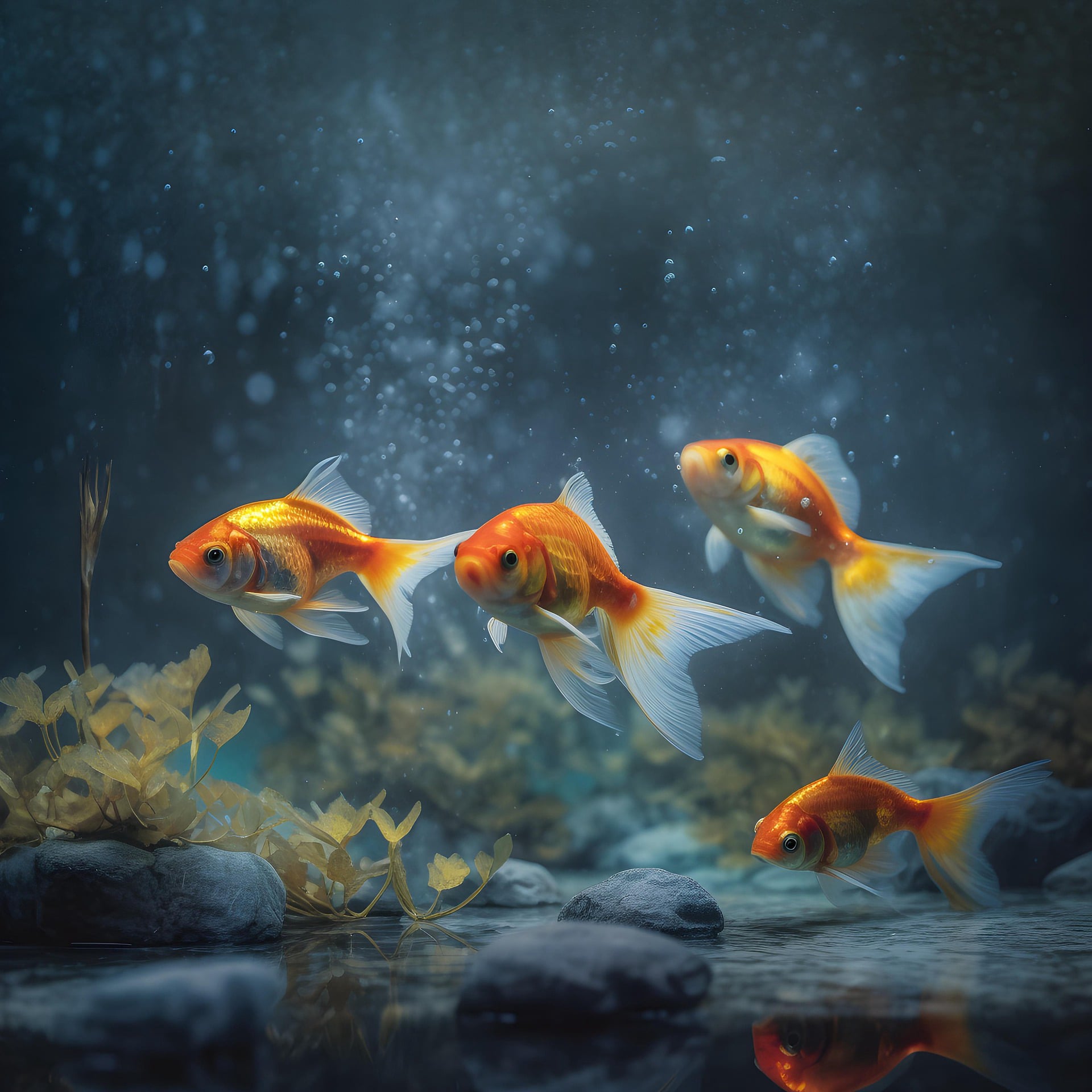
Educational Aquariums: Bringing Aquatic Life and Interactive Learning into the Classroom
Learning about the natural world becomes particularly engaging when students can observe living organisms and biological processes directly. While textbooks, diagrams and digital resources provide valuable information, practical experiences can help bring scientific concepts to life. Aquariums offer an opportunity to introduce aquatic ecosystems into educational settings, allowing learners to explore the relationships between animals, plants, water quality and their surrounding environment.
ㅤ
Educational aquariums can be incorporated into schools, nurseries, colleges and other learning environments to support a wide range of subjects. From basic observations of fish behaviour to more detailed investigations into aquatic biology and environmental science, a carefully managed aquarium can provide a living resource that complements traditional classroom teaching.
ㅤ
One of the main educational benefits of an aquarium is the opportunity for continuous observation. Unlike a temporary classroom demonstration, an established aquarium provides an environment that students can revisit over time, allowing them to recognise changes and develop a deeper understanding of natural processes.
ㅤ
Fish behaviour can provide a useful starting point for younger learners. Students may observe how different species swim, interact with one another, search for food and respond to features within their environment.
ㅤ
These observations can encourage curiosity and provide opportunities for discussion. Teachers can introduce questions about why certain fish prefer sheltered areas, how animals obtain food and what conditions they need to remain healthy.
ㅤ
For younger children, an aquarium can support the development of basic observational skills. Identifying colours, recognising patterns and describing movement can all become part of age-appropriate classroom activities.
ㅤ
As students progress, the same aquarium can be used to explore more advanced scientific concepts. Water chemistry, biological filtration, plant growth and the nitrogen cycle provide opportunities to connect classroom theory with practical examples.
ㅤ
The nitrogen cycle is particularly relevant to aquarium ecosystems. Fish produce waste containing ammonia, which is harmful when allowed to accumulate. Beneficial microorganisms convert ammonia into nitrite and subsequently into nitrate through biological processes.
ㅤ
Understanding this cycle helps students appreciate the importance of microorganisms within ecosystems. It also demonstrates how different forms of life interact to maintain environmental conditions.
ㅤ
Water testing can provide another practical learning opportunity. Under appropriate supervision, students may examine measurements such as pH, nitrate and temperature, recording results and comparing them over time.
ㅤ
These activities can introduce basic scientific methods, including collecting data, maintaining records and interpreting results. Students can begin to understand how environmental conditions influence living organisms.
ㅤ
The educational value of educational aquariums also extends to ecology. An aquarium contains several interacting components, including fish, plants, microorganisms, water and physical structures.
ㅤ
Although an aquarium is an artificial and managed environment, it can demonstrate some of the relationships found within natural freshwater habitats. Students can explore how living organisms depend on their surroundings and how environmental changes may affect the wider system.
ㅤ
Aquatic plants provide a useful example of these relationships. Through photosynthesis, plants use light energy to support growth, while absorbing nutrients from their environment.
ㅤ
Students can observe differences in plant development and discuss how lighting, nutrient availability and other environmental factors influence growth.
ㅤ
However, classroom investigations should be designed carefully to avoid deliberately exposing fish or other aquatic animals to unsuitable conditions. Educational objectives must remain secondary to the welfare of living organisms.
ㅤ
An aquarium can also introduce the concept of biodiversity. Different fish species display distinctive body shapes, colours, feeding behaviours and environmental preferences.
ㅤ
Comparing these characteristics can help students understand how animals are adapted to different habitats. Fish that naturally occupy open water may behave differently from species that spend much of their time near the substrate or among plants.
ㅤ
These differences provide opportunities to discuss adaptation, habitat selection and the relationship between physical characteristics and behaviour.
ㅤ
Environmental awareness is another important subject that can be explored through aquatic learning. Freshwater ecosystems around the world face pressures from pollution, habitat destruction, invasive species and changing environmental conditions.
ㅤ
A classroom aquarium can provide a starting point for discussing these wider issues. Students can consider why clean water is important and how human activities may influence rivers, lakes and other aquatic habitats.
ㅤ
The importance of responsible waste disposal can also be introduced. Discussions about pollution may help learners understand why chemicals, plastics and other materials should not enter natural waterways.
ㅤ
Aquarium keeping provides opportunities to explore conservation and responsible animal ownership. Students can learn that fish are living animals with specific requirements rather than decorative objects.
ㅤ
This understanding can encourage respect for aquatic life and promote consideration of animal welfare when discussing pets and captive environments.
ㅤ
For schools considering educational aquariums, selecting an appropriate installation is an important first step. The aquarium should be large enough for its intended inhabitants and positioned where it can be observed without exposing the fish to unnecessary disturbance.
ㅤ
Classrooms can be busy environments, particularly where large numbers of students move around throughout the day. Aquariums should therefore be placed on stable furniture away from areas where accidental impacts are likely.
ㅤ
Direct sunlight, radiators and frequently opened external doors can create temperature fluctuations that may affect water conditions. Choosing a suitable location helps support a more stable aquatic environment.
ㅤ
Electrical safety also requires attention. Filtration, heating and lighting equipment need appropriate connections, and cables should be arranged to reduce the risk of accidental damage or contact with water.
ㅤ
The total weight of the aquarium must be considered. Water, substrate, decorations and equipment can make even a moderately sized aquarium considerably heavier than expected.
ㅤ
A suitable cabinet or stand designed to support the filled aquarium is therefore essential. Schools should also consider access requirements and any relevant site safety procedures.
ㅤ
Fish selection should be based on compatibility, adult size, temperament and environmental requirements. Not every colourful tropical fish is suitable for a classroom aquarium.
ㅤ
Some species require large swimming areas, while others need to be maintained in appropriate social groups. Certain fish may also be sensitive to excessive movement, noise or disturbance.
ㅤ
A carefully planned freshwater community aquarium may provide opportunities to observe different behaviours, provided that the selected species have compatible requirements.
ㅤ
Aquatic plants can make the environment more natural while providing shelter and visual interest. Suitable planting may also encourage students to observe differences between animal and plant life within the same habitat.
ㅤ
Filtration is essential for maintaining suitable water quality. Biological filtration supports microorganisms that process nitrogenous waste, while mechanical filtration helps remove suspended particles.
ㅤ
A new aquarium should complete an appropriate fishless cycling process before fish are introduced. This allows beneficial bacteria to establish without exposing fish to harmful ammonia or nitrite levels.
ㅤ
Regular maintenance remains necessary once the aquarium is established. Water testing, partial water changes, equipment inspection and appropriate feeding all contribute to maintaining a healthy environment.
ㅤ
The responsibility for these tasks should be clearly assigned to suitable adults. Although students may participate in supervised educational activities, the welfare of aquarium inhabitants should never depend entirely on children remembering to provide care.
ㅤ
Holiday periods require particular planning. Schools may close for several weeks, but fish and other aquatic organisms continue to require appropriate feeding, monitoring and maintenance.
ㅤ
Before installing an aquarium, educational establishments should establish who will provide care during weekends, school holidays and unexpected closures.
ㅤ
Professional aquarium maintenance services may offer an option for establishments that want to incorporate aquatic displays without requiring teaching staff to undertake every technical responsibility.
ㅤ
Depending on the arrangement, these services may assist with installation, water quality monitoring, equipment maintenance and ongoing aquarium management.
ㅤ
The use of educational aquariums is not limited to science lessons. Aquatic displays can support activities across several areas of the curriculum.
ㅤ
In mathematics, students may record water temperatures, measure aquarium dimensions, calculate volumes or present observations using tables and graphs.
ㅤ
These activities provide practical examples of measurement and data handling. They can also demonstrate how mathematical skills are used in everyday scientific and environmental work.
ㅤ
English and literacy activities may involve descriptive writing, research projects or presentations about aquatic animals and their habitats.
ㅤ
Students can practise explaining observations, organising information and communicating findings to others. Younger learners may enjoy writing short descriptions of fish behaviour or creating illustrated aquarium journals.
ㅤ
Art and design activities can also draw inspiration from aquatic environments. Fish patterns, plant shapes and underwater landscapes provide opportunities to explore colour, texture and composition.
ㅤ
Geography lessons may examine the natural habitats from which different freshwater fish originate. Students can investigate rivers, lakes, climates and environmental conditions in different parts of the world.
ㅤ
This can encourage an appreciation of the relationship between geography and biodiversity, helping students understand why different species are adapted to particular environments.
ㅤ
Technology and computing may also be incorporated into aquarium-related activities. Digital thermometers, lighting timers and monitoring equipment can provide examples of how technology supports environmental management.
ㅤ
Older students may explore how sensors collect information and how recorded measurements can be used to identify trends over time.
ㅤ
An aquarium can also provide opportunities for collaborative learning. Students may work together to research species, create educational displays or present information about the aquatic environment.
ㅤ
These activities can encourage communication, cooperation and shared responsibility while keeping animal care under appropriate adult supervision.
ㅤ
For some learners, observing an aquarium may provide a quiet and engaging activity during the school day. The movement of fish and the visual structure of an aquatic environment can offer an alternative focus to more conventional classroom materials.
ㅤ
However, individual responses vary, and aquariums should not be presented as a guaranteed method of improving concentration, reducing anxiety or treating particular conditions.
ㅤ
Educational environments should also consider accessibility. Positioning the aquarium at a suitable viewing height can help more students observe the display comfortably.
ㅤ
Clear viewing areas and appropriate lighting may improve visibility, while thoughtful placement can prevent the aquarium from obstructing classroom movement.
ㅤ
Where students have additional learning needs, activities can be adapted to different abilities and communication preferences. Visual observation, guided discussion and simple recording tasks may provide different ways to engage with the same resource.
ㅤ
The educational experience can be extended through supporting materials. Information cards, diagrams and classroom displays can introduce the names of fish species, explain biological processes and highlight important environmental concepts.
ㅤ
Teachers may also encourage students to maintain an observation journal. Recording changes in plant growth, fish behaviour and water measurements over several weeks can help develop patience and attention to detail.
ㅤ
Long-term observation is particularly valuable because biological systems change gradually. Students can begin to understand that environmental stability depends on continuing processes rather than isolated events.
ㅤ
Aquariums may also encourage interest in future educational or career pathways. Subjects such as marine biology, freshwater ecology, environmental science and veterinary care all involve understanding aquatic organisms and their habitats.
ㅤ
Exposure to these topics at an early stage can introduce students to scientific disciplines they may not otherwise encounter directly.
ㅤ
Responsible sourcing is another consideration when establishing an aquarium. Educational institutions should understand where their fish originate and choose suppliers that follow appropriate animal welfare practices.
ㅤ
Releasing unwanted aquarium fish or plants into natural waterways should never be considered an acceptable disposal method. Such actions can introduce non-native organisms and create environmental problems.
ㅤ
Instead, schools should make appropriate arrangements for the long-term care or responsible rehoming of aquatic inhabitants if an aquarium can no longer be maintained.
ㅤ
Financial planning is also important. Beyond the initial aquarium and equipment, ongoing expenses may include electricity, fish food, water treatments, replacement equipment and professional servicing.
ㅤ
Establishing a realistic budget can help ensure that the aquarium remains properly maintained throughout its intended use.
ㅤ
The most successful classroom installations are those incorporated into a clear educational plan. Rather than introducing an aquarium solely as decoration, teachers can identify learning objectives and develop activities that make meaningful use of the aquatic environment.
ㅤ
At the same time, the aquarium should remain a stable habitat. Educational activities should be based primarily on observation and non-invasive measurement rather than frequent handling or disturbance of its inhabitants.
ㅤ
Ultimately, educational aquariums can provide a valuable connection between classroom learning and the natural world. By combining responsible fishkeeping with observation, scientific investigation and environmental education, schools and other learning environments can create engaging opportunities that encourage curiosity, develop practical knowledge and promote respect for aquatic life.

Connect With Link Meta
Let’s Talk Structure and Strategy