Electric Panel Heaters: Understanding Modern Heating Technology and Making the Right Choice for Your Home
Choosing an effective heating system is an important decision for homeowners who want to maintain comfortable indoor temperatures without unnecessary energy expenditure. Modern homes have different heating requirements depending on their size, construction, insulation and occupancy patterns, making it increasingly important to select equipment that matches the way individual spaces are used. Electric heating has become a practical option for many UK properties, particularly where installing or extending traditional central heating would involve substantial work. Improvements in radiator design, temperature regulation and programmable controls have also made modern electric appliances easier to manage than earlier generations of heating equipment.
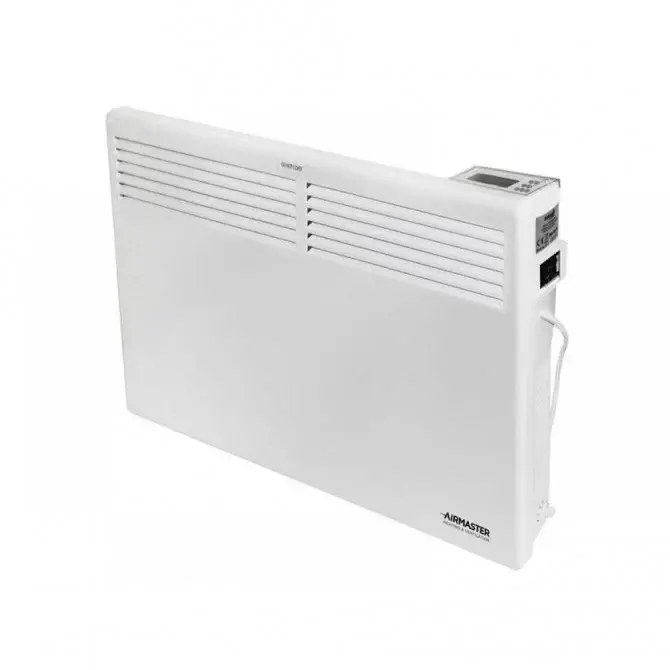
For households considering Electric Panel Heaters, one of the biggest advantages is the ability to provide independent warmth without relying on a central boiler or water-filled pipework. These appliances use an electrical heating element to generate heat, which is transferred into the surrounding room through convection and radiation. Their relatively slim construction allows them to be fitted to suitable walls, making them particularly appealing for bedrooms, apartments, home offices and other spaces where floor area is limited. They can also offer a straightforward heating solution for converted lofts, extensions and garden buildings where extending an existing central heating system would be inconvenient.
The growing interest in electric panel heating reflects changing expectations about domestic comfort. Rather than operating a single heating system at the same temperature throughout the property, many homeowners prefer to control individual rooms independently. A living room used primarily in the evening has different heating requirements from a bedroom, while a home office may need warmth during working hours but little heating overnight. Individual electric heaters allow these spaces to follow separate schedules, potentially reducing unnecessary energy consumption when rooms are unoccupied.
An important characteristic of electric panel heating is the way warmth is distributed. Most conventional panel heaters rely heavily on convection, warming the air surrounding the heating element and encouraging circulation throughout the room. As the heated air rises, cooler air moves towards the appliance, creating a continuous movement that gradually increases the overall room temperature. The radiator body may also emit some radiant heat, contributing to the sensation of warmth experienced by nearby occupants. The exact balance depends on the appliance's construction and operating temperature.
This method of heating can be particularly effective in rooms requiring relatively even air temperatures. Unlike appliances designed primarily to direct heat towards a particular location, panel heaters generally aim to warm the surrounding indoor environment. Their performance therefore depends on the amount of heat escaping from the room and the appliance's ability to replace that energy. In a well-insulated space, a suitable panel heater may maintain comfortable temperatures with relatively short operating periods. In a poorly insulated building, the same heater may need to operate much more frequently because warmth is continually escaping through the surrounding structure.
Understanding electrical efficiency is essential when comparing Electric Panel Heaters with other heating appliances. Conventional electric resistance heaters convert virtually all the electricity they consume into heat within the property. This means that different brands and heating elements generally cannot produce dramatically different quantities of heat from the same electrical input. The main differences concern how quickly warmth is delivered, how evenly it spreads, the accuracy of temperature controls and the ability to avoid unnecessary operation. Manufacturers may promote advanced elements or specialised internal materials, but consumers should distinguish improvements in comfort and responsiveness from claims about fundamental energy conversion efficiency.
Temperature control is one of the most significant developments in contemporary electric panel heaters. Modern digital thermostats can measure room temperature and regulate the heating element according to a selected setting. Once the desired temperature is reached, the appliance can temporarily stop consuming electricity until additional heat is required. This prevents the heating element from operating continuously when the room is already warm enough. The effectiveness of the system depends on thermostat accuracy, correct positioning and the general thermal characteristics of the room.
Programmable heating provides an additional level of convenience. Rather than manually switching the heater on and off, users can establish daily or weekly schedules that reflect their routines. A family might programme the living room to reach a comfortable temperature before everyone returns home, while reducing heating during periods when the room is normally empty. Bedrooms can follow a separate programme, and occasional-use rooms can remain at appropriate background temperatures until required. This flexibility allows households to manage warmth according to actual needs rather than maintaining unnecessarily high temperatures throughout the day.
Smart electric panel heaters extend these capabilities through wireless connectivity and mobile applications. Depending on the model, consumers may be able to adjust temperatures remotely, monitor heating schedules or manage several appliances from a central interface. Some systems can also integrate with compatible smart home platforms, allowing heating to form part of a wider household automation arrangement. These features can be useful for people with irregular working hours or properties that are not occupied continuously, although the actual value depends on how frequently remote control is needed.
For those researching Electric Panel Heaters, it is worth remembering that smart technology does not automatically reduce electricity consumption. A heater controlled through an application uses essentially the same amount of energy to provide a given quantity of warmth as an equivalent appliance with conventional controls. Savings occur when improved scheduling prevents unnecessary heating or allows temperatures to be managed more effectively. A simple panel heater with a reliable thermostat may therefore provide excellent practical value for someone with predictable requirements, while a more sophisticated connected system may be worthwhile for households that need greater flexibility.
Some modern panel heaters incorporate open-window detection, which attempts to recognise sudden changes in room temperature. If the appliance identifies a rapid temperature drop, it may temporarily reduce heating output to avoid wasting energy while a window or door is open. Although potentially useful, these features are not infallible because temperature changes can occur for other reasons. They should be regarded as supplementary controls rather than a replacement for sensible ventilation and heating practices.
The power rating of a panel heater is another important purchasing consideration. Appliances are commonly available in a range of outputs, allowing consumers to select heating capacity according to room requirements. However, a higher wattage should not automatically be regarded as a disadvantage. A suitably sized radiator can bring a room to its target temperature and then allow the thermostat to regulate operation. An undersized heater may struggle to maintain comfort during cold conditions, particularly in a room with significant heat loss.
Accurate room sizing requires consideration of several characteristics beyond floor area. Ceiling height, window dimensions, external walls, insulation quality and ventilation can all influence the amount of heat required. A small room with large areas of single glazing may have greater heating demand than a larger room with modern insulation and efficient windows. For this reason, manufacturer sizing charts should be treated as general guidance rather than precise calculations. A professional heat-loss assessment can provide more reliable information, particularly when planning heating for an entire property.
The relationship between insulation and heating performance is particularly important in older UK homes. Buildings constructed before modern energy-efficiency standards may have limited wall insulation, poorly insulated roofs or draughty windows. These conditions can cause substantial heat loss, forcing heaters to operate for longer periods to maintain comfortable temperatures. Improving loft insulation, addressing appropriate wall insulation opportunities and reducing unwanted draughts can lower the heating requirement of the property. Such improvements can benefit any heating technology, not only electric panel heaters.
However, energy efficiency measures should preserve adequate ventilation. A property that is excessively sealed without suitable airflow may experience condensation, moisture accumulation and poor indoor air quality. Bedrooms and other spaces where people spend extended periods can be particularly vulnerable to condensation when temperatures fall and moisture levels remain high. Heating and insulation improvements should therefore be considered together with appropriate ventilation arrangements.
For homeowners installing Electric Panel Heaters in individual rooms, positioning can influence comfort and heat circulation. Wall-mounted appliances should be installed according to manufacturer instructions, with suitable clearance above and around the casing. Large furniture placed directly in front of a panel heater may obstruct airflow and reduce the effectiveness of heat distribution. Curtains or other materials positioned too close to the appliance can also create safety concerns. Selecting a suitable location is therefore important for both performance and responsible operation.
The slim construction of many electric panel heaters provides an advantage where available space is limited. Traditional freestanding radiators and portable heaters can occupy valuable floor area, particularly in smaller bedrooms or apartments. A wall-mounted panel can provide heating without interfering significantly with furniture arrangements. Contemporary manufacturers also offer neutral colours, discreet control displays and different dimensions to suit modern interiors. Although appearance should not take priority over technical suitability, design flexibility can make these products attractive for renovated properties.
Installation requirements are generally less complicated than those associated with conventional wet central heating. Electric panel heaters do not require additional water pipework or connections to a central boiler, reducing the need for plumbing alterations. Some models are designed to connect to suitable electrical sockets, while others require permanent electrical installation. The appropriate arrangement depends on the product, power rating and existing electrical infrastructure. Consumers should follow manufacturer instructions and use qualified professionals where fixed wiring or circuit modifications are necessary.
Bathroom heating requires particular care because electrical appliances must be suitable for potentially wet environments. Standard panel heaters intended for bedrooms or living rooms should not automatically be installed in bathrooms. Equipment must be appropriate for the location and comply with relevant electrical safety requirements. Consumers may instead consider purpose-designed bathroom heaters or electric towel radiators, provided these are correctly selected and installed.
The running costs of Electric Panel Heaters depend principally on electrical consumption and the price paid for electricity. A 1,000-watt heater operating continuously at full output for one hour uses one kilowatt-hour of electricity. If the electricity tariff were 25 pence per kilowatt-hour, that period would cost approximately 25 pence, excluding standing charges. Operating the same appliance continuously for five hours would consume five kilowatt-hours and cost £1.25 at that illustrative tariff. Actual expenditure may be lower where thermostatic controls reduce operating time, although the result depends on room conditions and the selected temperature.
When comparing heating costs, consumers should distinguish between an appliance's rated output and the total energy required to maintain warmth. A heater rated at 2,000 watts uses electricity twice as quickly as a 1,000-watt appliance while both are operating continuously at full power. However, the higher-powered model may reach the desired temperature more quickly and subsequently operate for shorter periods. The total consumption over several hours depends on heating demand, thermostat behaviour and other factors. This means that choosing the lowest-wattage appliance is not always the most appropriate strategy.
Electric panel heaters can offer useful flexibility when combined with room-by-room heating schedules. In larger homes, it may be unnecessary to maintain every room at the same temperature throughout the day. A home office might require comfortable conditions during working hours, while the living room becomes the main occupied space later in the evening. Independent heating controls allow these areas to follow different programmes, potentially reducing unnecessary consumption. However, suitable background temperatures may still be needed to prevent excessive cold, condensation or discomfort in other parts of the property.
Consumers should also consider how panel heaters compare with oil-filled radiators. Oil-filled appliances use electricity to warm a sealed thermal fluid, which transfers heat through the radiator body. Their relatively high thermal mass means they can continue releasing stored warmth after the heating element switches off. Panel heaters generally contain less thermal mass and may respond more quickly when heating is required. Neither approach is inherently superior for every application, and both operate according to the same fundamental principles of electric resistance heating.
Infrared panels provide another alternative, particularly where targeted radiant warmth is desirable. These appliances emit radiant energy that can be absorbed by nearby people and surfaces rather than primarily warming the surrounding air. Some occupants may experience comfortable conditions at lower air temperatures when suitable radiant heating is provided. However, infrared panels remain electric resistance heaters, and any reduction in energy consumption depends on how they are installed and used. Conventional panel heaters may be preferable where maintaining relatively even room air temperatures is the main priority.
For whole-property heating, consumers may also wish to compare electric panel heaters with heat pump systems. Heat pumps use electricity to transfer heat from the surrounding environment into a building, potentially delivering several units of heat for each unit of electricity consumed. This can provide substantial efficiency advantages over conventional resistance heating under suitable operating conditions. However, heat pumps generally require greater initial investment and more detailed installation planning. Electric panel heaters may therefore remain attractive where installation simplicity, individual room control or occasional supplementary heating is particularly important.
Safety features are another consideration when choosing a modern panel heater. Many appliances include overheat protection, temperature monitoring and other mechanisms intended to reduce the risk of unsafe operating conditions. However, these features do not remove the need for correct installation and responsible use. Radiators should not be covered with clothing or obstructed by unsuitable materials, and electrical connections must remain in good condition. Any signs of overheating, damaged cables or unusual operation should be investigated before continued use.
Maintenance is generally straightforward because electric panel heaters do not contain the pumps, circulating water or boiler components associated with traditional central heating systems. Routine care usually involves keeping accessible surfaces clean, ensuring airflow openings remain unobstructed and inspecting the appliance for visible damage. Consumers should follow manufacturer instructions and avoid attempting electrical repairs without appropriate qualifications. Warranty coverage and access to replacement components can also influence the long-term practicality of a product.
Environmental considerations extend beyond the absence of combustion emissions within the home. Although electric panel heaters do not burn fuel at the point of use, their wider carbon impact depends on the electricity generation mix and the quantity of energy consumed. As the UK electricity system incorporates increasing amounts of renewable and other low-carbon generation, electric heating can benefit from a cleaner energy supply. Nevertheless, reducing unnecessary heating demand remains important because generating and distributing electricity still involves resources and infrastructure.
Durability also contributes to the environmental and financial assessment of heating equipment. A well-built appliance that operates reliably over many years may provide better long-term value than a cheaper product requiring frequent replacement. Consumers should examine warranty periods, manufacturer support and the availability of spare parts when comparing brands. Electronic thermostats and other control components may have different warranty terms from the heater body, making it worthwhile to understand the complete coverage before purchasing.
The suitability of Electric Panel Heaters can also depend on whether a property is owner-occupied or rented. Landlords may find independently controlled electric heating convenient, but appliances must still provide suitable heating capacity and comply with relevant safety and housing requirements. A poorly insulated rental property equipped with inadequate heaters can result in high running costs and unsatisfactory living conditions. Heating decisions should therefore reflect the building's characteristics and the needs of occupants rather than concentrating solely on installation cost.
For homeowners planning renovations or extensions, incorporating heating requirements into the early design process can prevent unnecessary complications. Electrical infrastructure, radiator positioning, insulation and room layout all influence the most suitable heating arrangement. Considering these elements before decorating or completing construction work may reduce later disruption. It also provides an opportunity to select appliances that complement the interior design while delivering sufficient heating capacity.
When comparing prices, consumers should consider the entire cost of ownership rather than simply choosing the least expensive appliance. A basic heater may provide adequate performance in an occasionally occupied room, while a more expensive model with advanced controls could offer greater convenience where heating is required regularly. Installation costs, anticipated electricity consumption, warranty coverage and expected lifespan all influence long-term value. Premium branding should not automatically be interpreted as evidence of superior energy efficiency.
The most effective purchasing approach begins with identifying what the heater needs to achieve. A compact home office used for a few hours each day requires a different solution from a large living room occupied throughout the evening. Some properties benefit from rapid heating response, while others place greater emphasis on consistent temperatures and programmable operation. By comparing the actual requirements of the room with product specifications, homeowners can avoid purchasing unnecessarily powerful equipment or paying for features they are unlikely to use.
Modern Electric Panel Heaters provide a convenient option for households seeking flexible, independently controlled heating without the infrastructure required for conventional central heating. Their combination of compact design, straightforward operation and increasingly sophisticated temperature controls can make them suitable for bedrooms, offices, extensions and smaller residential properties. However, their effectiveness depends on appropriate sizing, insulation quality, thermostat settings and realistic expectations about electricity consumption. By considering the complete heating requirements of the property and comparing available technologies carefully, homeowners can choose appliances that provide dependable warmth while managing long-term costs and avoiding unnecessary energy waste.

Connect With Link Meta
Let’s Talk Structure and Strategy