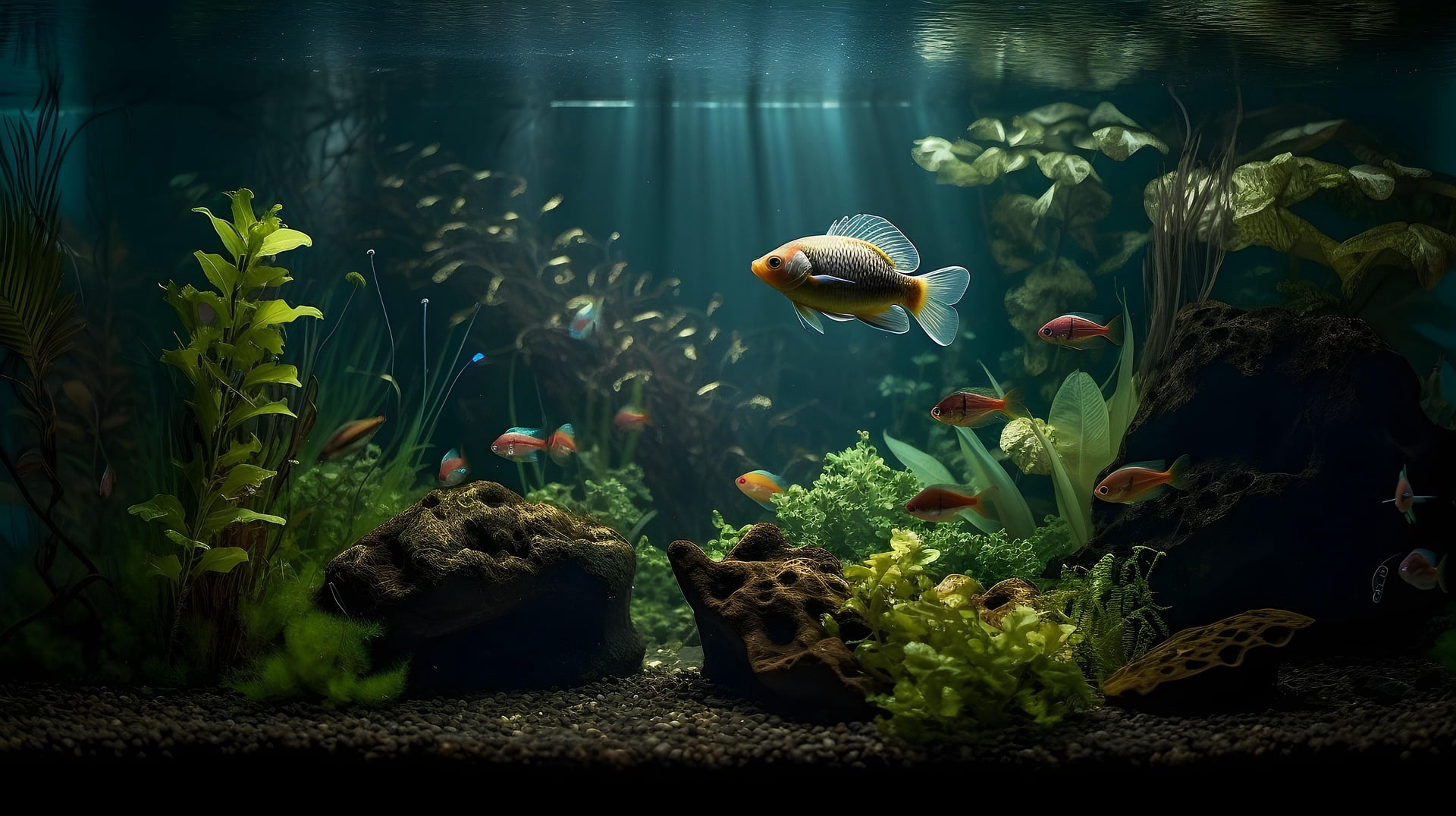
Fluval Aquariums: Exploring Modern Fish Tank Design and Aquarium Care
Creating an attractive home aquarium involves combining practical equipment with an environment that supports the natural behaviour and welfare of aquatic life. From selecting the right tank dimensions to establishing reliable filtration and lighting, every component contributes to the long-term stability of an aquarium. Modern aquarium systems have made it easier for enthusiasts to access coordinated equipment designed for different types of fishkeeping.
ㅤ
Fluval aquariums are part of a well-established range of aquarium products associated with freshwater and marine fishkeeping. The Fluval brand is recognised for aquarium tanks, filtration equipment, lighting and accessories designed to support different aquatic environments. Understanding how these systems work can help aquarists make informed decisions when planning a new installation or upgrading an existing aquarium.
ㅤ
One of the first considerations when choosing an aquarium is the intended purpose of the display. Some people want a compact aquarium for a small living space, while others prefer a larger installation that can accommodate a carefully planned community of tropical fish.
ㅤ
Aquarium dimensions influence the number and type of fish that can be maintained, the amount of swimming space available and the equipment required to support stable water conditions.
ㅤ
Smaller aquariums can be visually appealing and relatively easy to accommodate within a home. However, limited water volume means that changes in temperature and water chemistry can occur more quickly than in larger systems.
ㅤ
Larger aquariums generally provide more flexibility when planning fish communities and aquatic landscapes. They also require suitable furniture, greater water volumes and equipment capable of maintaining appropriate conditions throughout the tank.
ㅤ
Fluval offers different aquarium designs intended to accommodate a variety of fishkeeping interests. Certain systems combine the aquarium with compatible filtration and lighting components, while others allow aquarists to select equipment separately.
ㅤ
Integrated aquarium systems can simplify the initial planning process because important components have already been considered as part of the overall design. Nevertheless, the suitability of any system should be assessed against the needs of the intended inhabitants.
ㅤ
Aquarium placement is another important decision. A suitable location should provide a stable supporting surface, access to electricity and enough space for routine cleaning and maintenance.
ㅤ
Direct sunlight can encourage unwanted algae growth and contribute to temperature fluctuations. Similarly, positioning an aquarium close to radiators, heating vents or frequently opened external doors may make environmental stability more difficult.
ㅤ
A filled aquarium can be considerably heavier than expected. Water, substrate, rocks, decorations and equipment all contribute to the total weight, making an appropriate aquarium cabinet or supporting stand essential.
ㅤ
Filtration is one of the most important aspects of aquarium management. Fish produce waste, uneaten food decomposes and organic material accumulates over time. Without suitable filtration, harmful substances can build up within the aquatic environment.
ㅤ
Fluval aquariums may use different filtration arrangements depending on the model and intended application. Understanding the distinction between mechanical, biological and chemical filtration can help aquarists maintain these systems effectively.
ㅤ
Mechanical filtration removes suspended particles from the water. Filter sponges and other mechanical media capture debris, helping maintain water clarity and reducing the amount of visible waste circulating around the aquarium.
ㅤ
Biological filtration supports beneficial microorganisms that convert ammonia into nitrite and subsequently into nitrate. This process is essential because ammonia and nitrite are toxic to fish, even when the aquarium water appears clear.
ㅤ
Chemical filtration may use materials such as activated carbon or other specialist media to remove particular dissolved substances. Its usefulness depends on the requirements of the aquarium and the purpose of the selected media.
ㅤ
A new aquarium needs to establish effective biological filtration before fish are introduced. This process, commonly known as fishless cycling, allows beneficial bacteria to develop without exposing fish to potentially harmful ammonia or nitrite concentrations.
ㅤ
Water testing is necessary to confirm that the biological filtration system is functioning appropriately. Simply running a filter for a short period does not guarantee that the aquarium is ready for livestock.
ㅤ
Once established, filtration systems require periodic maintenance. Mechanical media can become clogged with debris, reducing water circulation and affecting filter performance.
ㅤ
Biological filter media should be handled carefully because it supports the microorganisms responsible for processing waste. Replacing all established biological media unnecessarily can disrupt the nitrogen cycle.
ㅤ
Lighting is another important element of aquarium design. Modern LED lighting systems can provide efficient illumination while enhancing the appearance of fish, plants and decorative materials.
ㅤ
Fluval produces aquarium lighting products designed for different aquatic applications, including planted freshwater systems. The appropriate lighting arrangement depends on aquarium dimensions, plant requirements and the desired visual appearance.
ㅤ
Aquatic plants rely on suitable light for photosynthesis, although their requirements vary considerably. Some plants grow successfully under moderate lighting, while more demanding species may require stronger illumination and additional nutrient management.
ㅤ
A consistent lighting schedule can help maintain a predictable day-and-night cycle. Excessive lighting may contribute to unwanted algae growth, particularly where nutrients and plant growth are not balanced.
ㅤ
Automatic timers can make lighting management more straightforward by ensuring that illumination follows a regular schedule rather than depending on someone manually switching lights on and off.
ㅤ
Temperature control is particularly relevant for tropical freshwater fish. Many commonly kept species require consistently warm water, although the precise temperature range varies between species.
ㅤ
An appropriately sized heater and reliable thermometer can help maintain suitable conditions. Fish should be selected according to compatible temperature requirements rather than assuming that all tropical species thrive at the same temperature.
ㅤ
Water chemistry is another consideration when establishing Fluval aquariums. Different fish originate from environments with varying levels of hardness, acidity and dissolved minerals.
ㅤ
Understanding the requirements of the intended species can help avoid compatibility problems. Some fish are adapted to softer water, while others are more suited to harder conditions.
ㅤ
Choosing species that are compatible with the available water is often easier than repeatedly attempting to adjust its chemistry. Stability is particularly important because sudden changes can place unnecessary stress on aquatic inhabitants.
ㅤ
Substrate selection influences both aquarium appearance and the behaviour of certain fish. Gravel, sand and specialist planted substrates provide different options depending on the intended layout.
ㅤ
Some bottom-dwelling species benefit from fine, smooth substrates that allow natural foraging behaviour. Planted aquariums may require materials that support root development and provide appropriate nutrients.
ㅤ
Aquascaping has become an increasingly popular aspect of fishkeeping. This involves arranging plants, rocks, wood and open swimming areas to create visually balanced underwater landscapes.
ㅤ
Natural-style aquariums often take inspiration from rivers, forest streams and other freshwater habitats. Carefully positioned decorations can provide shelter and visual boundaries while allowing fish to move naturally through the environment.
ㅤ
Live aquatic plants can make an aquarium more attractive while providing useful cover for smaller or more timid fish. Plants also absorb nutrients as they grow, although they do not eliminate the need for filtration and water changes.
ㅤ
Java fern, Anubias and certain Cryptocoryne species are commonly considered for relatively undemanding planted aquariums. Their suitability still depends on the particular water conditions and lighting available.
ㅤ
Fish selection should be approached carefully. A species that looks attractive in a shop may not necessarily be suitable for the size or conditions of the aquarium being planned.
ㅤ
Adult size, temperament, social behaviour and preferred water chemistry all influence compatibility. Researching these factors before purchase helps reduce the risk of overcrowding or unsuitable combinations.
ㅤ
Community aquariums may contain carefully selected species such as tetras, rasboras, Corydoras catfish and other compatible freshwater fish. However, individual requirements differ, and not every species within these groups is suitable for every community.
ㅤ
Shoaling and schooling fish generally benefit from being maintained in appropriate groups. Keeping social species in insufficient numbers can prevent normal behaviour and may contribute to stress.
ㅤ
Some fish are territorial or require particular hiding places. Aquarium layouts should provide suitable shelter and swimming space according to the needs of the inhabitants.
ㅤ
Stocking levels should also reflect the capacity of the filtration system and the amount of space available. Adding excessive numbers of fish can increase waste production and make stable water conditions more difficult to maintain.
ㅤ
Introducing fish gradually allows biological filtration to adapt to increasing waste levels. New livestock should only be added once the aquarium has completed an appropriate cycling process.
ㅤ
Quarantine procedures can help reduce the risk of introducing diseases or parasites into an established aquarium. This is particularly important when adding fish to a mature display containing existing inhabitants.
ㅤ
Feeding is another important part of responsible aquarium care. Different fish have different dietary requirements, and the appropriate food should be selected according to the species being maintained.
ㅤ
Commercial aquarium foods are available in several formats, including flakes, pellets and sinking tablets. Some fish may also benefit from suitable frozen or other supplementary foods.
ㅤ
Overfeeding can contribute to deteriorating water quality because uneaten food decomposes and increases the amount of organic waste within the aquarium.
ㅤ
Providing appropriate portions and observing feeding behaviour can help ensure that fish receive suitable nutrition without excessive waste accumulating in the tank.
ㅤ
Regular maintenance is essential for keeping Fluval aquariums functioning effectively. Even a well-equipped system requires water testing, partial water changes, equipment inspection and attention to the condition of its inhabitants.
ㅤ
Water changes help manage dissolved waste and maintain suitable conditions. The appropriate frequency depends on stocking levels, feeding, plant growth and measured water quality.
ㅤ
Replacement tap water should be treated appropriately where chlorine or chloramine is present. Sudden differences in temperature or water chemistry should also be avoided.
ㅤ
Cleaning aquarium glass can help maintain visibility and remove algae. Substrate cleaning may also be necessary to remove debris from areas where waste tends to accumulate.
ㅤ
Filter maintenance should follow the requirements of the equipment while preserving established biological filtration. Cleaning mechanical components without unnecessarily disturbing biological media can help maintain consistent performance.
ㅤ
Aquatic plants may require trimming as they grow. Removing damaged leaves and managing excessive growth helps preserve swimming space and maintain the intended layout.
ㅤ
Algae is a natural feature of aquatic environments, but excessive growth can indicate an imbalance involving lighting, nutrients or maintenance.
ㅤ
Rather than relying entirely on algae-removing products, aquarists should investigate the conditions contributing to unwanted growth. Adjusting lighting duration, feeding and maintenance practices may help restore balance.
ㅤ
Observing fish behaviour is one of the most useful everyday habits. Changes in appetite, swimming, breathing or physical appearance may indicate illness or unsuitable environmental conditions.
ㅤ
Water testing should be undertaken promptly when unusual behaviour is observed. Where disease is suspected, appropriate advice from an aquatic veterinary professional can help determine the next steps.
ㅤ
Modern aquarium equipment can simplify certain aspects of fishkeeping, but technology does not replace regular observation and responsible care.
ㅤ
Automatic lighting controls, reliable filtration and temperature monitoring can support environmental stability, while routine checks remain necessary to identify equipment faults or changes in water quality.
ㅤ
The long-term success of an aquarium depends on maintaining a balanced relationship between its inhabitants, equipment and biological processes. Stable conditions are generally more beneficial than repeatedly changing settings or introducing new fish without a clear plan.
ㅤ
For beginners, starting with a manageable aquarium and a carefully selected group of compatible fish can provide an opportunity to develop knowledge gradually. More complex planted or specialist aquariums can be explored as experience increases.
ㅤ
Experienced aquarists may use different aquarium systems to develop more specialised environments, experimenting with planting arrangements, lighting techniques and species-specific habitats.
ㅤ
Regardless of experience, the welfare of aquatic animals should remain central to aquarium planning. Suitable space, appropriate water conditions, compatible inhabitants and consistent care are essential for maintaining healthy fish.
ㅤ
Ultimately, Fluval aquariums provide one example of how modern aquarium equipment can support different approaches to freshwater and marine fishkeeping. By understanding filtration, lighting, water chemistry, fish compatibility and regular maintenance, aquarists can create attractive aquatic environments that combine thoughtful design with responsible long-term care.

Connect With Link Meta
Let’s Talk Structure and Strategy