Jaltest Boat Diagnostics: Professional Marine Engine Diagnostics and Maintenance
Modern boats and marine vessels rely on increasingly sophisticated electronic systems to deliver reliable performance, efficient fuel consumption and safe operation. From engine management and fuel injection to electronic controls and onboard monitoring systems, marine technology has developed considerably over recent years. Maintaining these systems requires specialist diagnostic equipment capable of communicating with electronic control units and providing technicians with accurate information about potential faults.
Jaltest Boat Diagnostics provides a professional approach to electronic fault investigation for marine engines and supported vessel systems. Developed by Cojali, Jaltest Marine diagnostic technology is designed to help marine engineers and maintenance specialists investigate electronic problems across compatible marine equipment. By combining diagnostic software, communication hardware and technical information, the platform supports a structured approach to marine engine maintenance and repair.
Marine diagnostics presents challenges that differ from those encountered in conventional automotive workshops. Boats frequently operate in environments involving moisture, saltwater exposure, vibration and fluctuating temperatures. These conditions can affect electrical connections, sensors and mechanical components over time. When electronic faults develop, identifying the underlying cause quickly can help prevent unnecessary repairs and reduce the amount of time a vessel remains unavailable.
The increasing use of electronic engine management has transformed marine maintenance. Modern inboard and outboard engines may incorporate electronic control units responsible for fuel delivery, ignition, engine protection and performance monitoring. These systems continuously assess operating conditions and may record fault information when irregularities occur. Professional diagnostic equipment allows technicians to retrieve supported electronic information and investigate possible causes.
One of the main advantages of multi-brand marine diagnostic technology is its ability to support equipment from different manufacturers. Marine engineers may encounter numerous engine brands and vessel configurations throughout their working week. Maintaining separate manufacturer-specific diagnostic tools for every application can create additional costs and complicate workshop procedures. A compatible multi-brand platform offers a more convenient approach to accessing supported systems.
For businesses considering Jaltest Boat Diagnostics, compatibility should be a primary consideration. Marine engines vary considerably in their electronic architecture, communication systems and available diagnostic functions. Some models provide extensive electronic access, while others offer more limited capabilities. Checking the current manufacturer and engine coverage is essential before investing in diagnostic equipment.
Electronic fault codes form an important part of modern marine diagnostics. When an engine control unit detects an irregularity, it may record a diagnostic trouble code that can be retrieved using suitable equipment. These codes help technicians identify affected systems and begin investigating potential causes. However, a stored fault code does not necessarily identify the exact component requiring replacement.
A fault relating to engine temperature, for example, could result from a defective sensor, damaged wiring, restricted cooling flow or another mechanical problem. Replacing the sensor without investigating the wider system may fail to resolve the issue. Professional diagnostic equipment supports a more systematic approach by providing electronic information that technicians can assess alongside physical inspections and practical testing.
Live data monitoring is another valuable feature of marine diagnostic technology. Depending on the supported engine and electronic system, technicians may be able to examine operating temperatures, engine speed, pressure readings and other sensor information. Comparing these measurements with expected operating conditions can help identify abnormalities that may not be immediately apparent during a visual inspection.
Marine engines frequently operate under sustained loads, particularly during extended journeys or commercial operations. Problems that appear only at particular engine speeds or operating temperatures can be difficult to reproduce in a workshop. Access to relevant live data can help technicians investigate these conditions more effectively, provided all testing is performed safely and in accordance with manufacturer guidance.
Inboard marine engines represent an important application for professional diagnostic equipment. These engines are commonly installed in larger leisure boats, commercial vessels and specialist marine craft. Modern inboard engines may incorporate electronic fuel injection, turbocharging and sophisticated engine management systems. Faults involving these components can affect performance, reliability and fuel efficiency.
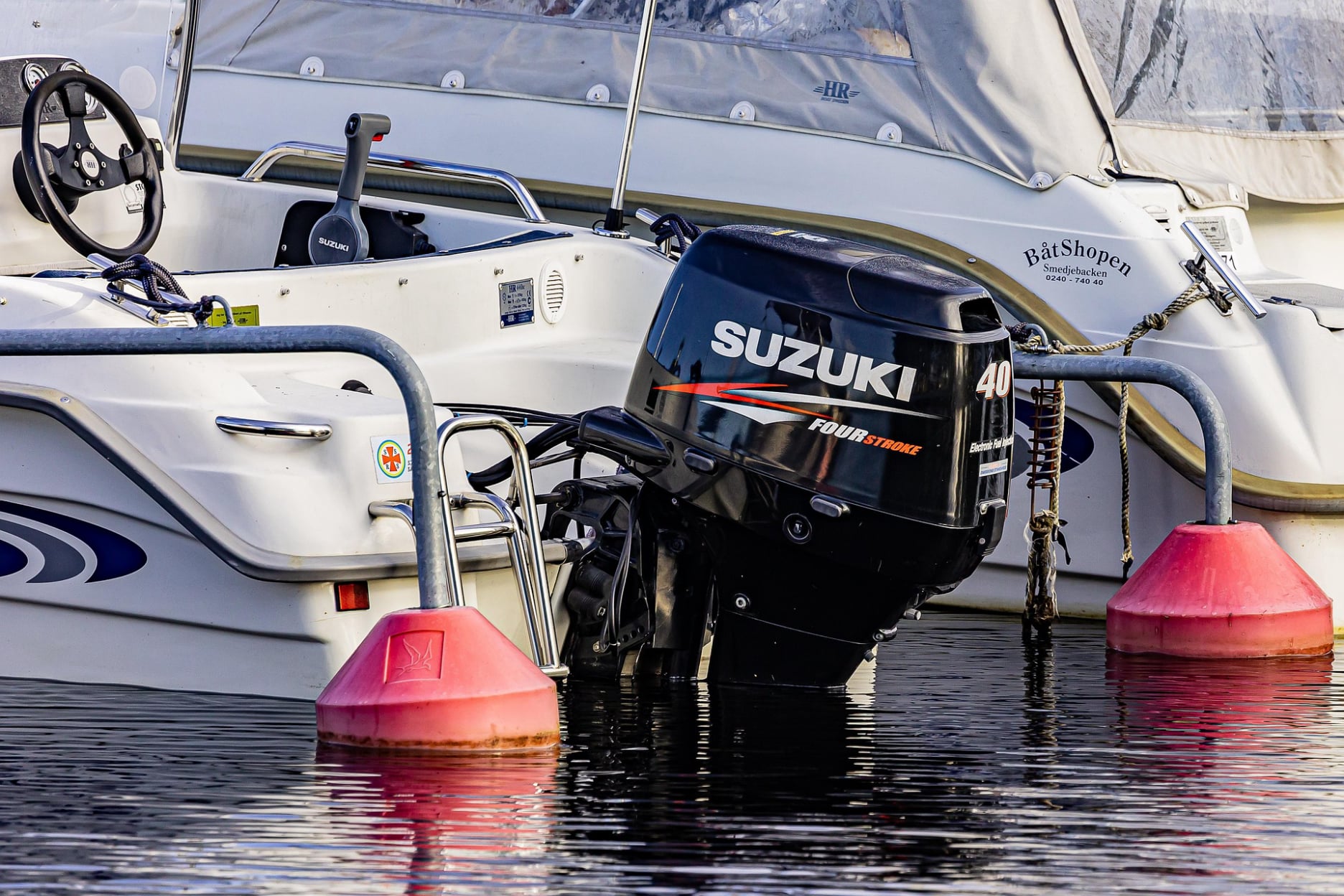
Outboard engines also increasingly rely on electronic technology. Modern outboard motors may incorporate electronically controlled fuel injection, ignition management and engine monitoring functions. Electronic faults can produce symptoms such as difficult starting, irregular running or reduced performance. Suitable diagnostic equipment can help technicians retrieve supported fault information and investigate possible causes.
For marine workshops using Jaltest Boat Diagnostics, the ability to work across compatible inboard and outboard applications can provide practical benefits. Independent engineers often maintain vessels equipped with different engine manufacturers and configurations. Multi-brand diagnostic technology can simplify certain aspects of fault investigation and reduce dependence on multiple specialist tools.
Fuel injection systems are particularly important in modern marine engines. Electronic controls regulate fuel delivery to maintain performance and efficiency under varying operating conditions. Problems involving injectors, pressure sensors or electrical circuits may affect engine operation. Diagnostic information can help technicians narrow down potential causes, although mechanical testing may still be required to confirm component condition.
Cooling system problems are another significant concern in marine maintenance. Marine engines depend on effective temperature regulation to prevent overheating and component damage. Depending on the engine design, cooling arrangements may involve raw water, closed-loop coolant circuits or heat exchangers. Electronic temperature monitoring can provide useful information, but physical inspections remain essential when investigating cooling faults.
Electrical systems present particular challenges because boats operate in environments where moisture and corrosion can affect components. Connectors, wiring harnesses and sensors may deteriorate over time, creating intermittent faults that are difficult to identify. Diagnostic equipment can assist with electronic fault investigation, but technicians must also examine electrical connections and perform appropriate measurements.
Battery condition and electrical supply stability are important considerations during marine diagnostics. Low voltage or unstable electrical connections can produce misleading symptoms and affect communication with electronic control units. Before investigating complex electronic problems, technicians should confirm that the relevant power supply and connections are functioning correctly.
Marine propulsion systems can also incorporate electronic controls, particularly on more sophisticated vessels. Depending on the equipment installed, electronic systems may manage engine operation, transmission functions or propulsion-related monitoring. Faults within these systems can affect vessel performance and manoeuvrability. Suitable diagnostic technology can support investigation where the relevant components are covered by the platform.
The importance of accurate fault identification becomes particularly clear when vessels are used commercially. Fishing boats, workboats and other marine craft may operate under demanding schedules where unexpected breakdowns create substantial disruption. A vessel that remains unavailable can affect income, contractual commitments and operating costs. Efficient diagnosis can therefore contribute to better maintenance planning.
Leisure boat owners also benefit from reliable marine maintenance. Unexpected engine problems can interrupt holidays, weekend trips and longer voyages. Regular servicing and appropriate diagnostic checks can help identify developing issues before they result in more serious failures. However, electronic diagnostics should complement rather than replace conventional mechanical inspections.
One of the practical benefits of Jaltest Boat Diagnostics is the ability to support a structured approach to fault investigation. Rather than replacing components based solely on symptoms, technicians can retrieve relevant electronic information and investigate possible causes. This method can reduce unnecessary component replacement and improve repair accuracy.
Technical information is another important consideration when selecting professional marine diagnostic equipment. Fault codes provide useful starting points, but technicians may also require wiring diagrams, component information and maintenance guidance. Depending on the supported equipment and software configuration, Jaltest provides technical resources intended to assist diagnostic and repair procedures.
Access to relevant technical information can be particularly valuable for independent marine engineers working across different manufacturers. Engine designs, electronic systems and maintenance procedures vary considerably between brands. Having suitable information available during fault investigation can reduce research time and support more consistent workshop procedures.
Supported maintenance functions are another consideration. Some marine engines require electronic procedures following servicing, component replacement or certain repairs. Depending on compatibility, diagnostic platforms may provide access to service-related functions, adaptations or electronic tests. The availability of individual procedures varies according to manufacturer, engine model and electronic control system.
Software coverage is therefore an essential part of the purchasing decision. A diagnostic platform may support a particular engine manufacturer without providing every function for every model. Marine workshops should review the current compatibility information for the specific engines they service. This helps prevent unexpected limitations when carrying out maintenance or investigating specialist faults.
Software updates also influence the long-term usefulness of marine diagnostic equipment. Engine manufacturers introduce new models, electronic systems and technical changes over time. Diagnostic software must evolve to maintain relevant compatibility and provide updated functions. Buyers should establish how updates are supplied and whether ongoing licence or subscription fees apply.
The initial purchase price of professional marine diagnostic equipment represents only part of the total investment. Additional costs may include software licences, renewal fees, specialist cables, adapters and technician training. These expenses depend on the product configuration and the range of engines being serviced. Evaluating the complete ownership cost helps businesses compare available diagnostic solutions more accurately.
Hardware reliability is particularly important in marine environments. Diagnostic equipment may be transported between workshops, marinas and vessels, exposing it to frequent handling and challenging conditions. Interfaces and connecting cables need to provide dependable communication with supported electronic systems. Appropriate storage and protection against moisture can help maintain equipment reliability.
For mobile marine engineers, portability is a valuable consideration. Many boats cannot easily be transported to a workshop, making on-site maintenance essential. Diagnostic equipment that can be carried aboard a vessel allows technicians to investigate electronic problems at marinas, boatyards and other suitable locations. However, engineers must ensure safe working conditions and appropriate access to the equipment being tested.
Technician training plays a significant role in achieving effective diagnostic results. Retrieving fault codes is only one stage of the process, and interpreting complex electronic problems requires technical understanding. Marine engineers need to recognise relationships between systems, assess live data and follow suitable testing procedures. Training can help businesses make better use of their diagnostic equipment.
Preventative maintenance remains an important part of responsible vessel ownership. Regular inspections, servicing and appropriate diagnostic checks can help identify developing problems before they cause major failures. Electronic diagnostics should complement physical inspections, fluid checks, cooling system maintenance and other established servicing procedures.
Seasonal maintenance is particularly relevant to leisure vessels. Boats may remain unused for extended periods during winter, potentially allowing battery problems, corrosion and other issues to develop. Diagnostic checks can form part of recommissioning procedures before the vessel returns to regular use. However, electronic testing should be combined with a comprehensive mechanical and safety inspection.
Commercial marine operators may benefit from standardised maintenance procedures across their vessels. Organisations managing several boats need accurate records of faults, repairs and scheduled servicing. Diagnostic information can contribute to maintenance documentation and help identify recurring issues. Combining electronic findings with structured records supports better decisions about vessel reliability.
Reducing unnecessary component replacement is another potential benefit of professional diagnostics. Marine engine components can be expensive, particularly when specialist electronic parts are involved. Replacing components without confirming the underlying fault may waste labour and materials. Diagnostic equipment supports more informed repair decisions by providing information that technicians can verify through practical testing.
Customer confidence is also important for independent marine repair businesses. Vessel owners want clear explanations of faults, recommended repairs and expected costs. Diagnostic information can support these discussions by helping engineers explain their findings. Transparent communication and reliable repair procedures can strengthen long-term relationships between marine workshops and their customers.
The development of electric and hybrid marine propulsion is introducing additional diagnostic requirements. Electric boats may incorporate high-voltage battery systems, electric motors and sophisticated energy management technology. Maintenance requirements differ from those associated with conventional petrol and diesel engines. Engineers working on these systems must verify diagnostic compatibility and receive appropriate electrical safety training.
Connected marine technology may also influence future maintenance practices. Some modern vessels incorporate monitoring systems that provide information about engine operation, performance and onboard equipment. Although remote monitoring and workshop diagnostics serve different purposes, information from both can contribute to maintenance planning and fault investigation.
Technical support should form part of the purchasing decision. Marine workshops may encounter unfamiliar fault codes, compatibility questions or software difficulties. Access to knowledgeable assistance can help technicians resolve equipment-related problems and maintain productivity. Buyers should establish what training, support and warranty arrangements are available with their chosen diagnostic system.
Before purchasing, businesses should identify the engine manufacturers, model years and electronic systems they service most frequently. They should then compare these requirements against the current coverage offered by the diagnostic platform. Reviewing supported functions, software licences and additional hardware requirements can help prevent unexpected limitations.
Ultimately, Jaltest Boat Diagnostics provides a specialist approach to electronic fault investigation and maintenance for compatible marine engines and vessel systems. By combining multi-brand diagnostic capabilities, live data monitoring, technical information and supported maintenance functions, professional diagnostic technology can help marine engineers investigate increasingly complex equipment. Selecting suitable tools and integrating them into structured maintenance procedures can improve repair accuracy, reduce unnecessary downtime and support dependable vessel operation.

Connect With Link Meta
Let’s Talk Structure and Strategy